Are You Actually Ready to Be an Entrepreneur? I Mean Really Ready!

Let me guess: you've been scrolling through Instagram, watching people your age sipping cocktails on a beach at 2PM on a Tuesday, captioning it "living the laptop lifestyle" or "escaped the 9-5 grind."
You've seen the Lamborghinis, the "passive income," the overnight success stories. And you're thinking, "Yeah, I could do that. I'll work hard, hustle a bit, post some motivational quotes, and boom, financial freedom."
Right?
Wrong.
Listen, I've coached over 300 startups through their early days, and I need to tell you something that the Instagram gurus won't: most people who start businesses fail. And I don't mean they fail spectacularly in some heroic blaze of glory. I mean they quietly earn less than they did in their job, work twice the hours, and eventually slink back to employment with their tail between their legs.
Sound harsh? Good. Because if that scares you off, you've just saved yourself years of pain and a hefty chunk of money.
The Numbers Don't Lie (Even When We Want Them To)
Let's talk facts, because I'm not here to blow sunshine up your backside.
"Only 4% of startups ever hit £1 million in turnover." Four percent. That's 96 out of every 100 businesses never getting anywhere near that magical seven-figure mark that sounds so good on a podcast.
And for those lucky few who do? It takes an average of 2.5 to 3 years minimum. Many don't see it within 5 years. That's three years of grinding, pivoting, barely paying yourself, and wondering if you've made a massive mistake.
Here's the kicker: "41% of small business owners earn less than they did in their previous 9-5 job." Less. After all that risk, all that stress, all those 60-hour weeks, they'd have been better off financially staying put.
Over 20% of businesses fail within their first year. Nearly half don't make it to year five. And of those solo entrepreneurs dreaming of building a team and "scaling"? Only 3-17% ever grow to hire employees and become actual employer firms.
These aren't stats I'm pulling from some doom-and-gloom think piece. This is reality. This is what happens when passion meets market forces, when optimism crashes into cash flow problems, when "I have a great idea" meets "the customer doesn't actually care."
So Why Am I Telling You This?
Am I trying to put you off? Kill your dreams before they start?
Absolutely not.
I'm trying to save you from being another statistic. Another person who quit their job on a wing and a prayer, burned through their savings in 18 months, and had to explain to their family why they're moving back in at 34.
The issue isn't that entrepreneurship is hard, we all know it's hard. The issue is that most people think they're ready when they're absolutely not. They confuse excitement with preparation. They mistake motivation for capability.
After working with hundreds of founders, I can tell you this: "Entrepreneurship isn't about the destination, it's about whether you've got the foundations to survive the journey."
The lifestyle you see on social media? That's year 7, not year 1. And most people never make it past year 2.
The Unsexy Truth About What It Actually Takes
Here's what nobody posts on Instagram:
You're going to work more hours than you ever did in your job. Your first year? Think 50-60 hours a week, minimum. Weekends included. No, you can't outsource everything on day one, you haven't got the money.
You're going to earn less. Probably for at least the first year, maybe longer. Can you handle that? Can your family? Your mortgage lender?
You're going to question yourself constantly. Every day you'll wonder if you're deluded. Every setback will feel personal because it is personal, this is your baby.
You need to actually know how to run a business. Not just do the thing you're good at, marketing, design, whatever, but understand P&Ls, cash flow, break-even points, customer acquisition costs. When's the last time you read a balance sheet? Do you know what gross margin means? These aren't optional extras. They're the difference between profit and bankruptcy.
You need support systems. Mentors who've been there. A partner who understands why you're stressed. Friends who won't roll their eyes when you cancel drinks for the third week running. Family who won't tell you to "just get a real job" the first time things get tough.
Before You Quit Your Job, Answer These
I've developed a framework over the years for assessing readiness. Not readiness to have an idea, everyone's got ideas. Readiness to actually build a business that doesn't destroy your life.
Can you honestly answer yes to these?
- Have you done the research and actually understand the market?
- Do you have 6-12 months of living expenses saved (not just "some savings")?
- Have you created a proper business plan with realistic financial projections?
- Do you know your break-even point and startup costs down to the pound?
- Can you identify your exact target customer and why they'll buy from you instead of your competitors?
- Are you prepared to potentially earn less for the next 2-3 years?
- Does your family support this decision, or are you going to be fighting battles on two fronts?
If you're hedging on more than two of these, you're not ready. And that's okay, better to know now than after you've burned your bridges.
It's About the Foundations, Not the Flash
Look, I'm not trying to crush your entrepreneurial spirit. I've built businesses. I've helped 300+ companies get off the ground. I believe in entrepreneurship, done right.
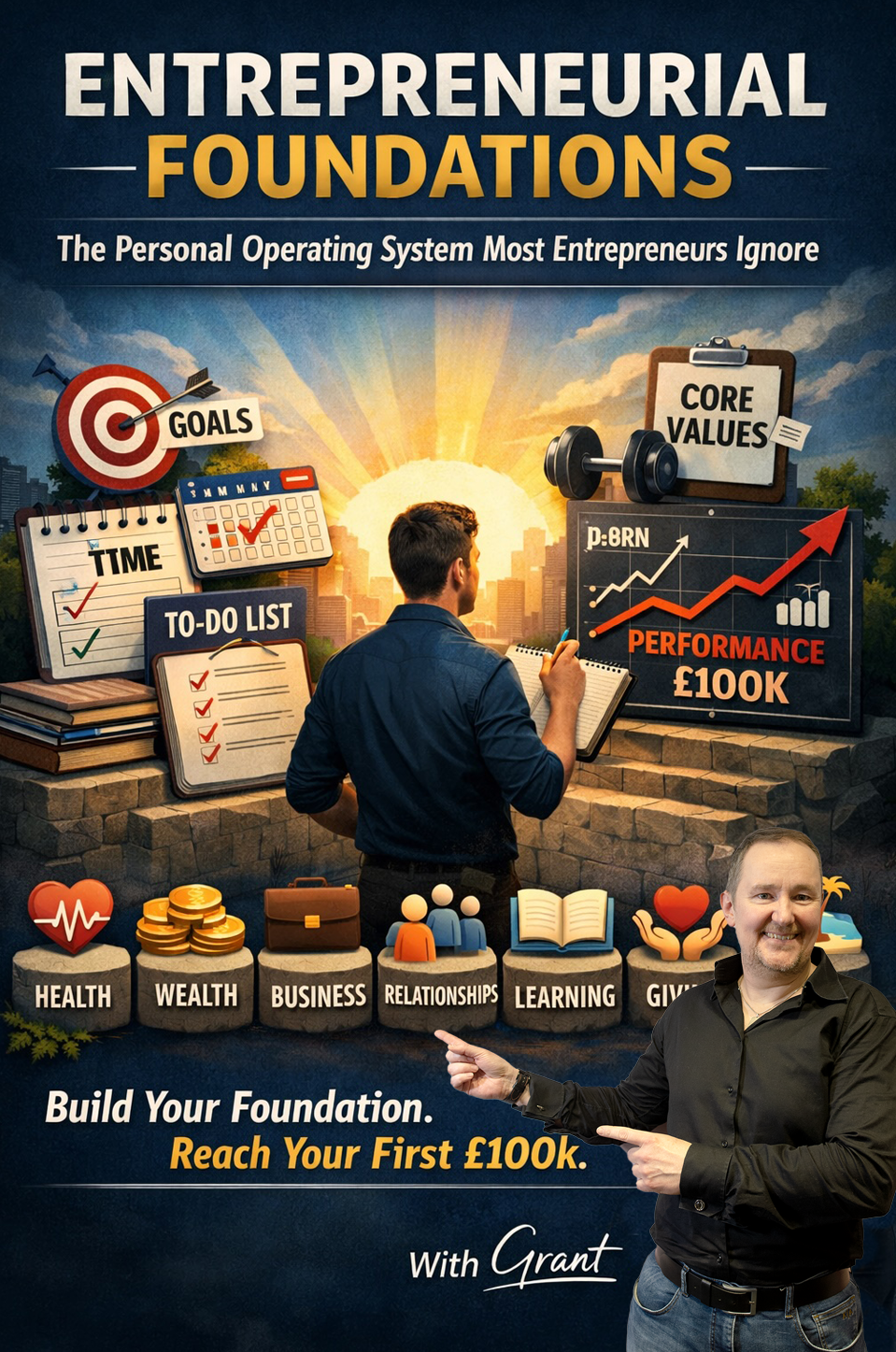
But "done right" means building proper foundations before you start stacking up floors. It means developing the skills, knowledge, and mindset that separate the 4% from the 96%.
The entrepreneurs who make it aren't necessarily the most talented or the ones with the best ideas. They're the ones who prepared properly. Who learned the fundamentals. Who built systems instead of winging it. Who understood that success is about doing boring things consistently, not having one viral moment.
They're the ones who treated entrepreneurship as a serious professional decision, not an escape plan from a job they didn't like.
The Real Question
So here's what I want you to ask yourself: are you running toward something, or running away from something?
If you hate your job and think starting a business will be easier, I've got bad news. It won't. It'll be harder in ways you can't imagine.
But if you're genuinely prepared to work harder than you've ever worked, to learn things that don't come naturally, to sacrifice lifestyle in the short term for a potential long-term payoff, and you've got the foundations in place, the knowledge, the savings, the support, the actual plan, then maybe, just maybe, you're ready.
And if you're not ready yet? That's brilliant. Because now you know what you need to work on before you take the leap.
The wannabe entrepreneurs quit their jobs tomorrow and hope for the best.
The real entrepreneurs build their foundations first, develop their skills, understand the reality of what they're getting into, and then make their move from a position of strength, not desperation.
Which one are you going to be?
To your success,
Grant